If you’ve ever glanced at your navigation app and thought, “That doesn’t seem too bad,” only to find yourself staring at brake lights 20 minutes later, you’re not alone.
Getting to Los Angeles International Airport isn’t just about distance. It’s about timing.
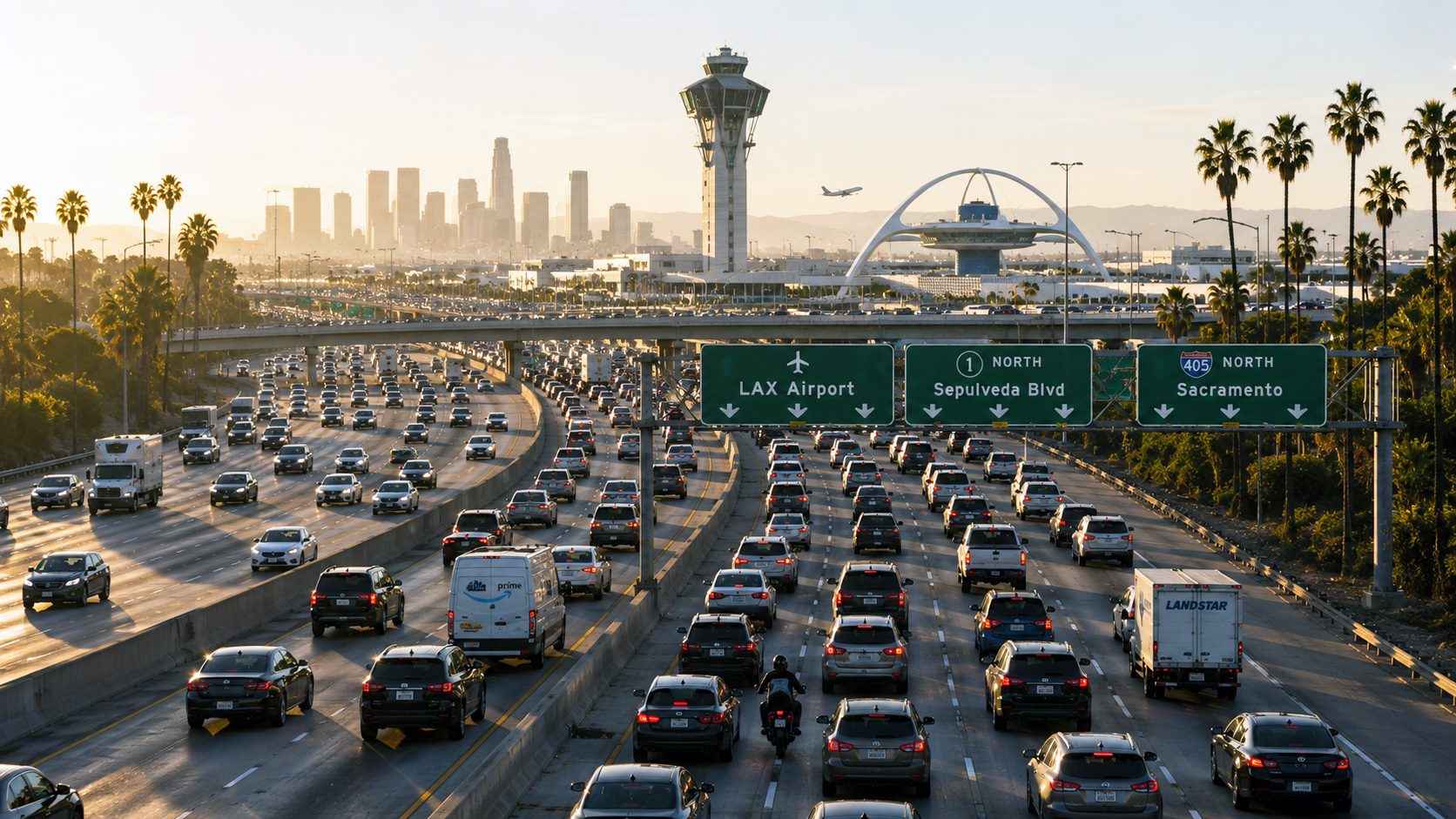
In Southern California, traffic can shift quickly. A drive that feels effortless on a Sunday morning can become a frustrating crawl during a weekday commute. Add a freeway accident, a rainy morning, a holiday weekend, or a sold-out concert, and the trip changes again.
That’s why travelers ask one question more than almost any other:
“How early should I leave for LAX?”
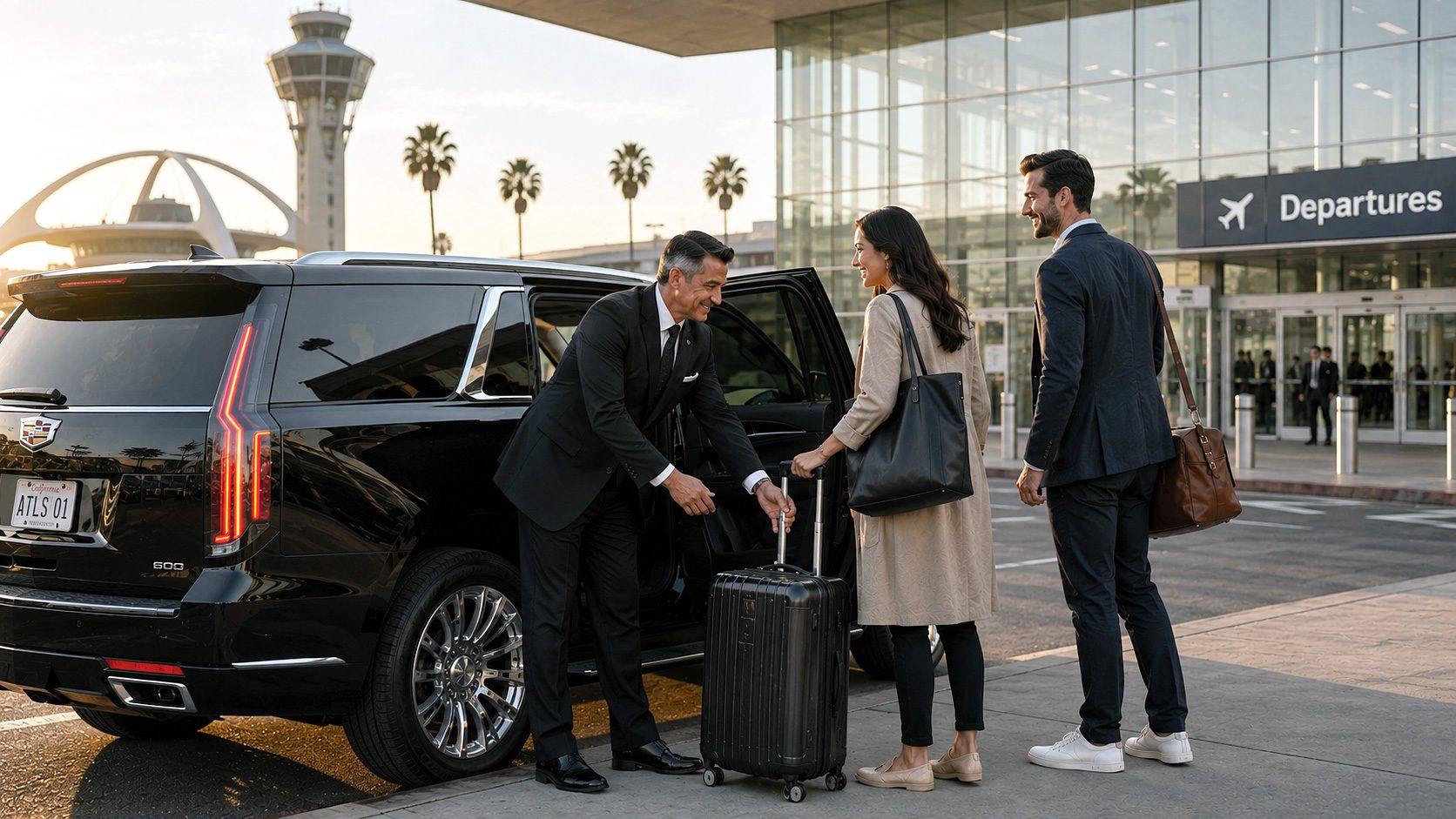
There isn’t a single answer that fits every trip. That’s why LAX Airport Transportation by ATLS is designed around real Southern California traffic patterns rather than best-case travel times. We know that giving yourself a little breathing room is almost always better than hoping traffic cooperates.
Here’s how local professionals approach airport departures and what you can do to make your next trip to LAX a little less stressful.
Why There’s No Universal Departure Time
People often focus on how far they live from the airport. In reality, mileage is only one piece of the puzzle.
Los Angeles International Airport handles an enormous number of passengers every day, and the roads leading there are just as busy. Even when traffic looks manageable, conditions can change with very little warning.
A stalled vehicle, a lane closure, or a crash several miles ahead can slow traffic long before you reach the airport. Navigation apps do a remarkable job estimating travel times, but they can’t predict every surprise.
That’s why experienced chauffeurs don’t simply ask, “How long should this drive take?” They ask, “What could happen between now and arrival?”
That mindset has helped LAX Car Service by ATLS. We proudly serve travelers throughout Southern California. Visit our Service Areas page to see if we provide service in your city.Professional chauffeurs monitor traffic throughout the day and build reasonable flexibility into every airport pickup rather than relying on best-case conditions.
What Should Influence Your Departure Time?
Before deciding when to leave, think beyond the clock. Several factors can change the pace of your trip. It’s also a good idea to verify your terminal and check for airport advisories on the official Los Angeles International Airport (LAX) website.
Weekday vs. Weekend Travel
Weekdays usually follow familiar commuting patterns.
Morning traffic builds as people head to work, while afternoon congestion often begins earlier than many travelers expect and can linger well into the evening. Even flights scheduled outside traditional rush hour may be affected because backups don’t disappear the moment commuters arrive at the office.
Weekends tell a different story.
Early mornings are often relatively quiet, but later in the day, traffic picks up around beaches, shopping districts, entertainment venues, and popular attractions. Routes leading toward LAX can become surprisingly busy, especially during the summer.
One of the biggest mistakes travelers make is assuming Saturday or Sunday automatically means lighter traffic. Local drivers know that’s not always the case.
Domestic vs. International Flights
Not every flight requires the same amount of time at the airport.
If you’re flying domestically with only a carry-on bag and have already checked in, getting through the terminal is often fairly straightforward.
International travel usually takes longer. Airlines may need to verify passports or other travel documents, checked baggage can add time, and security lines are often busier because more passengers arrive earlier for their flights.
Experienced travelers adjust their departure plans based on the entire airport experience, not just the drive itself.
Planning Your Trip from Different Parts of Southern California
Where you’re starting matters, but so does what typically happens along the way.
Santa Monica
Driving from Santa Monica to LAX can be refreshingly easy—or unexpectedly slow.
A quiet morning may offer a comfortable drive, while later departures often compete with commuters, beach traffic, and travelers heading to the airport at the same time.
An experienced chauffeur pays attention to developing traffic patterns before pickup, not after the trip has already begun.
Pasadena
Pasadena offers several possible routes to LAX, which can be an advantage when traffic shifts.
Morning commuters traveling toward central Los Angeles often create slowdowns well before drivers get anywhere near the airport. Later in the day, another wave of congestion builds as offices empty across the region.
Rather than committing to one freeway, professional drivers continually evaluate conditions and adjust as needed.
Irvine
Travelers leaving from Irvine face a longer drive, which naturally leaves more opportunity for delays.
A brief slowdown might not matter much on a short trip, but over a greater distance, small disruptions can quickly add up. Congestion along Interstate 405 or nearby freeway interchanges can change the pace of the journey with little notice.
Experienced chauffeurs understand that longer airport trips deserve a larger cushion. A little extra flexibility helps remove unnecessary pressure if traffic doesn’t cooperate.
Long Beach
Long Beach sits relatively close to LAX, but distance doesn’t always translate into predictability.
Traffic around the port, nearby freeways, and commuter corridors can fluctuate throughout the day. Some mornings feel effortless, while others slow down long before drivers approach the airport.
That’s why local chauffeurs focus less on mileage and more on what’s happening across the entire route.
Anaheim
Anaheim brings together residents, vacationers, convention attendees, and families visiting nearby attractions.
Depending on the season, those travelers can significantly increase freeway traffic heading toward Los Angeles. Summer vacations, holiday travel, and large conventions all contribute to changing road conditions.
Professional chauffeurs watch for those patterns well in advance instead of relying solely on the shortest route suggested by a navigation app.
Rush Hour Changes the Conversation
If there’s one variable that consistently affects airport transportation, it’s rush hour.
Morning congestion stretches far beyond downtown Los Angeles, affecting major freeways throughout the region. In the afternoon, traffic often begins earlier than visitors expect and can remain heavy into the evening.
Seasoned chauffeurs rarely assume conditions will improve by the time a trip begins. Instead, they watch traffic trends throughout the day and recommend departure times that leave room for the unexpected.
Sometimes leaving just a little earlier is the difference between a relaxed ride and an anxious drive spent watching the minutes disappear.
Holidays and Special Events Deserve Extra Attention
Southern California’s calendar is rarely quiet.
Professional sports games, concerts, conventions, festivals, graduations, and community events all bring additional vehicles onto the road. Even if your route doesn’t pass the venue itself, the extra traffic can ripple across the freeway system.
Holiday travel adds another layer.
Thanksgiving, Memorial Day, Independence Day, Labor Day, winter holidays, and spring break often mean heavier traffic around LAX, busier airport terminals, and longer security lines.
Experienced chauffeurs don’t wait until the day of travel to think about those challenges. They monitor event schedules, watch traffic forecasts, and recommend pickup times that include a reasonable buffer if the roads become busier than expected.
Even Southern California Weather Can Slow Things Down
Southern California isn’t known for severe weather, but even a light rain can change how people drive.
After long dry stretches, wet roads often lead to slower speeds, longer following distances, and more minor collisions. Morning fog near the coast can also reduce visibility and affect freeway traffic.
None of these conditions automatically create major delays, but they do remind experienced drivers to plan conservatively.
The goal isn’t to predict every possibility. It’s to leave enough room in your schedule so an unexpected slowdown doesn’t become the most memorable part of your trip.
How Experienced Chauffeurs Build a Margin for the Unexpected
One difference between an experienced chauffeur and the average driver is how they think about time.
They don’t expect every freeway to flow smoothly or every traffic light to cooperate. Instead, they assume something unexpected could happen and build a reasonable cushion into the schedule.
That buffer isn’t about arriving at the airport excessively early. It’s about giving yourself options.
If traffic is lighter than expected, you have time to grab a coffee, organize your carry-on, or simply relax before heading through security. If traffic slows unexpectedly, that extra time helps absorb the delay without turning the trip into a race against the clock.
Professional chauffeurs also continue monitoring traffic after the journey begins. If conditions change, they evaluate alternate routes and adjust when it makes sense rather than staying committed to a single path.
It’s a simple philosophy:
Plan for the drive you hope to have—but be prepared for the one you actually get.

Practical Tips for Planning Your Departure
A few small habits can make airport travel much less stressful.
- Check your airline’s recommended arrival time before departure day.
- Consider the day of the week, not just the distance to LAX.
- Give yourself additional flexibility during holidays, major events, or rainy weather.
- If you’re checking luggage or traveling internationally, allow extra time at the terminal.
- Leave room for the unexpected instead of planning to arrive at the last possible minute.
- If you’re traveling with children, older family members, or a large group, remember that loading luggage and getting everyone settled takes longer than many people expect.
Most importantly, don’t judge today’s trip by what happened last month. Southern California traffic changes daily, and yesterday’s easy drive isn’t a reliable prediction of tomorrow’s.
Common Mistakes Travelers Make
After years of driving passengers to and from LAX, a few patterns appear again and again.
Trusting Only the GPS
Navigation apps are valuable tools, but they provide estimates based on available information. They can’t anticipate every developing traffic issue or account for delays that haven’t happened yet.
Forgetting About Airport Activity
Getting to the airport is only part of the journey.
Finding the correct terminal, unloading luggage, walking inside, and clearing security all take time. Travelers often focus on the drive and underestimate everything that happens afterward.

Planning for Perfect Conditions
Many travelers schedule their departure as though every part of the trip will go exactly as planned.
Experienced chauffeurs know that’s rarely how Southern California works.
Travelers who prefer a stress-free experience often choose our Transportation Services instead of relying on rideshare availability during peak travel times.
A little flexibility usually creates a much calmer start to any trip.
A Professional Perspective
Airport transportation isn’t simply about driving from one point to another.
It’s about reducing uncertainty.
The most successful airport trips usually aren’t the fastest ones—they’re the ones where travelers never feel rushed.
At LAX Car Service by ATLS, that approach has shaped airport transportation for decades. Professional chauffeurs monitor traffic, understand regional travel patterns, and schedule pickups with reliability in mind rather than optimistic estimates. The goal is straightforward: help travelers begin their journey with confidence instead of unnecessary stress.
Frequently Asked Questions
How early should I leave for a domestic flight at LAX?
It depends on where you’re starting, current traffic conditions, and your airline’s recommended arrival time. Instead of planning around the shortest possible drive, build in extra time for normal traffic fluctuations and airport procedures.
Should I leave earlier for an international flight?
Yes. International departures typically require additional time for check-in, document verification, baggage processing, and security. Check your airline’s guidance before your travel day.
Is weekend traffic always lighter?
Not necessarily. While early weekend mornings may be less congested, beaches, sporting events, concerts, shopping areas, and holiday travel can create heavy traffic later in the day.
Does rain really make a difference in Los Angeles?
It often does. Even light rain can slow traffic, increase following distances, and contribute to more minor collisions, especially after extended dry weather.
How much extra time should I allow during holidays?
Rather than relying on a fixed amount of additional time, plan more conservatively than usual. Holiday weekends frequently bring heavier freeway traffic, busier airport terminals, and longer security lines.
Is it better to arrive early than risk arriving late?
For most travelers, yes. A little extra time at the airport is usually far less stressful than worrying about missing a flight because of an unexpected traffic delay.

Final Thoughts
No two trips to LAX are exactly alike.
Traffic patterns change throughout the day, weather can alter driving conditions, and special events often affect roads far beyond their immediate area. The key isn’t finding the perfect departure time—it’s allowing enough flexibility that normal delays don’t become major problems.
Planning ahead, paying attention to current conditions, and giving yourself a reasonable margin can turn a stressful airport trip into a much smoother start to your travels.
Whether you’re traveling for business or vacation, planning ahead—and booking reliable LAX Airport Transportation—can make the difference between a stressful departure and a relaxed start to your trip.
If you’d rather leave the driving to professionals, LAX Car Service by ATLS provides scheduled private airport transportation throughout Southern California with experienced chauffeurs, flat-rate pricing, and a focus on dependable, on-time service.